Permits & Code
ADUs in California: what recent legislation changed
A run of bills has made California's accessory dwelling unit framework the most permissive in the country. Here is what changed, and what it means for an Orange County homeowner.
· 6 min read · Rana Development
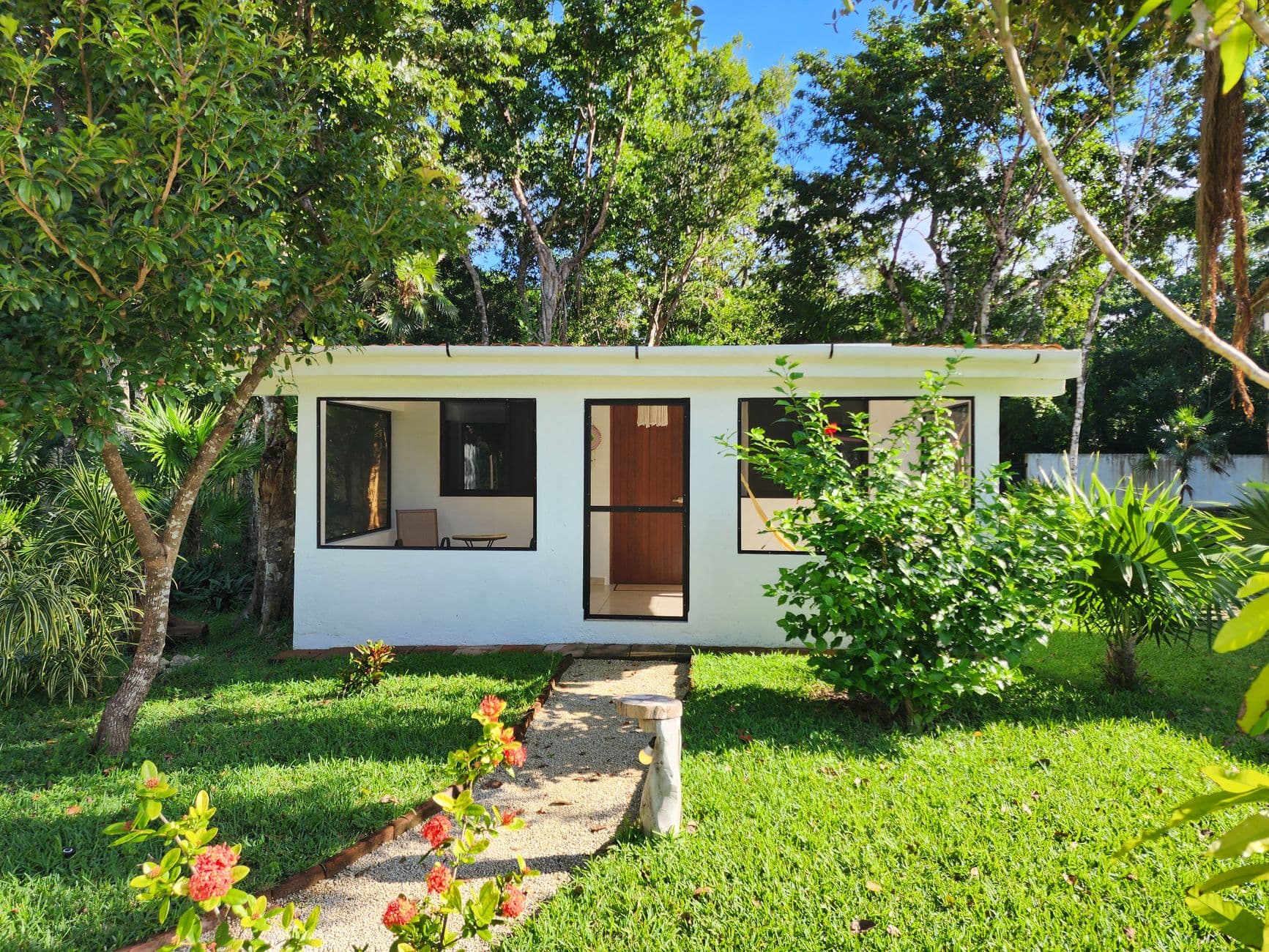
Accessory dwelling units have gone from a niche planning exception to one of the most heavily legislated areas of California housing law. If you last looked at the rules a few years ago, most of what you learned is out of date.
The changes worth knowing
More units on multifamily lots — SB 1211
Effective 1 January 2025, SB 1211 increased the allowable number of detached ADUs on lots with existing multifamily dwellings from two to eight, with the number of detached ADUs not exceeding the number of existing units on the property.
Amnesty for existing unpermitted units — AB 2533
AB 2533 broadened the existing amnesty provisions to include junior ADUs and moved the qualifying date, so the provisions now apply to unpermitted ADUs and JADUs built before 1 January 2020 — previously the cut-off was 2018. No penalties or impact fees are assessed unless new utility connections are required.
Faster, more predictable permitting — AB 1332
AB 1332 relaxed setback requirements, raised height limits to as much as 25 feet in some circumstances, required jurisdictions to make pre-approved ADU plans available, and created a 30-day window for local governments to approve or deny those permits.
Separate sale — AB 1033
AB 1033 allows ADUs to be sold separately as condominium units, where the local jurisdiction has adopted an ordinance permitting it. This is a genuine change in what an ADU is financially, not just what it is physically.
Owner-occupancy for JADUs — AB 1154
AB 1154 narrowed when owner-occupancy can be required for a junior ADU: where the JADU has separate sanitation facilities, owner-occupancy is not required.
What this means practically
For a typical single-family Orange County homeowner, the headline is that ADUs are now faster and more predictable to permit than they were, that pre-approved plans exist to shortcut design where a standard unit suits the site, and that an existing unpermitted unit built before 2020 may have a legitimisation path that did not previously exist.
The practical constraints have shifted from planning approval to construction reality: utility capacity, sewer connection, setbacks against existing structures, access for construction, and whether the resulting yard still works for the main house.
This is a summary of legislation as researched in 2026, not legal advice, and ADU law in California changes frequently. Confirm current requirements with your local planning department before relying on any of it.
Sources
- Burke, Williams & Sorensen — California's new ADU legislation ↗
- Best Best & Krieger — Governor signs four new ADU bills ↗
Written as general information for homeowners, not as legal, financial or engineering advice. Codes, fees and regulations change — confirm anything you plan to rely on with your local building department or a qualified professional.