Renovation
Renovating while you live in the house
It can be done well, and it is done badly all the time. The difference is almost entirely in the sequencing decisions made before demolition starts.
· 6 min read · Rana Development
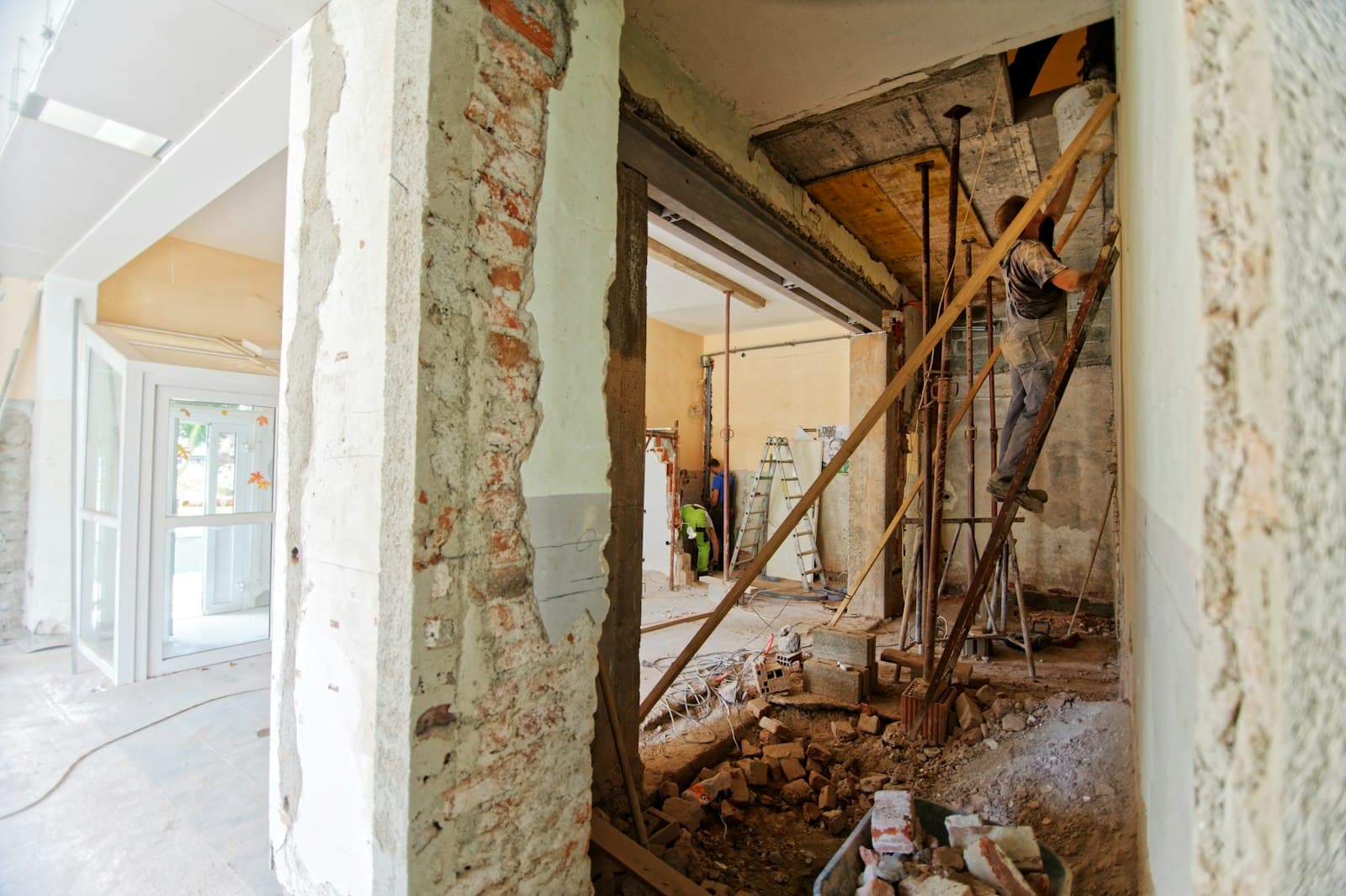
Moving out for a renovation is cleaner, faster and usually cheaper in construction terms. It is also expensive in rent, disruptive for schools, and simply not an option for many households. So the real question is not whether to stay, but how to stay without the project becoming unbearable.
Decide the phasing first
The instinct is to work room by room in the order of enthusiasm. The correct order is usually dictated by systems: anything that requires opening the main water, gas or electrical service should be grouped and done together, so the household absorbs one disruption instead of four.
Group the wet work. Group the structural work. Sequence the loud work — demolition, cutting, jackhammering — into defined windows the household can plan around rather than letting it land randomly across three months.
Get the shutdowns in writing
Before work starts, you should have a written answer to each of these:
- —Which days is the water off, and for how many hours?
- —Which circuits go dead, and is there a temporary supply for the fridge, the router and the home office?
- —When does the kitchen become unusable, and what replaces it?
- —Which bathroom stays live at all times?
- —Where do the family park, and where do the trades park?
Dust is a scope item
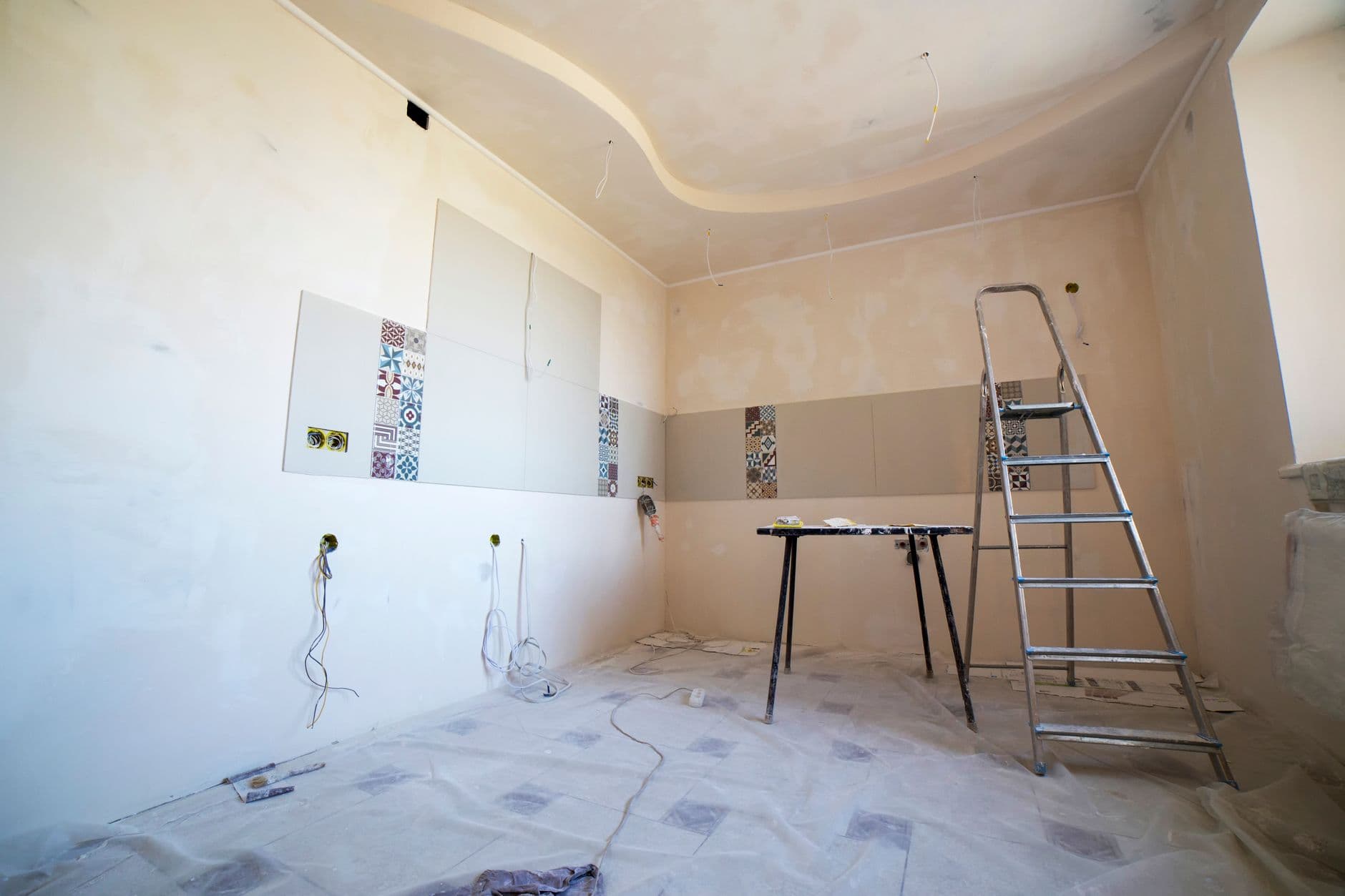
Dust containment — zip walls, negative air, floor protection, taped-off returns on the HVAC system — takes labour and materials, and it should appear in the scope and the price. When it does not appear, it does not happen, and fine construction dust ends up in every soft furnishing in the house.
Ask specifically how the containment will be built, whether the HVAC returns in the work zone will be sealed, and who cleans, how often.
Open the walls early
On any older home there is a set of unknowns behind the finishes: framing conditions, previous alterations, plumbing runs, wiring that was never quite right. The worst time to discover them is when the schedule already depends on the answer.
Where it is practical, we open exploratory areas before finalising the budget and programme. It costs a little, it looks alarming for a week, and it converts a category of unknown risk into a known number.
Set the rules on day one
Working hours. Which door the trades use. Where deliveries go. Whether music is on. Where the site toilet is. Which rooms are off limits. None of this is difficult, and all of it prevents the low-grade friction that turns an otherwise successful project into an unpleasant memory.